Get Ahead Before You List Home Seller Consult and Floor Plan Insight

Putting a house on the market sounds simple until the questions start stacking up.
Is there anything major that needs to be fixed first? Will a buyer’s inspection uncover something expensive? Is that suggested repair truly necessary, or is it just one more cost before listing? And if a floor plan is needed for the sale, who is handling it and what will it cost?
Selling a home already comes with enough moving parts. Cleaning, packing, staging, pricing, showings, paperwork, negotiations, it adds up fast. The last thing any seller wants is to feel blindsided by a repair issue after the home is already listed.
That is where a home seller consult and floor plan insight can help.
For $200, we come out for a quick onsite consult before the home hits the market. You get an experienced set of eyes on the property, practical advice you can use however you choose, and a basic footprint of the home that can be useful during the sale process.
The goal is simple: help sellers get ahead before an inspector, buyer, or last-minute surprise puts pressure on the deal.

Why a pre-listing consult makes sense
Most sellers do some kind of prep before listing. They touch up paint, clean the yard, replace light bulbs, fix loose handles, or clear clutter. Those things matter, but they are not always the issues that slow down a sale.
The bigger concerns are often hiding in plain sight.
A contractor with years of renovation experience may notice signs that deserve attention before a buyer’s inspector does. That does not mean every issue needs to be fixed immediately. It means the seller gets information early enough to make a smart choice.
That choice might be:
Fix the issue before listing
Get a quote so there are no surprises later
Disclose the condition properly
Leave it alone because it is minor
Adjust the asking strategy with better information
That kind of clarity puts control back in the seller’s hands.
When a concern is discovered after an accepted offer, the seller often has less control. The buyer may ask for repairs, request a credit, renegotiate the price, or even walk away if the issue feels too big. A pre-listing consult gives the seller time to think instead of react.
What we look for during the onsite visit
This service is not meant to replace a licensed home inspection, engineering report, pest inspection, appraisal, or code review. It is a practical walkthrough from someone with 20+ years of renovation experience, from residential projects to commercial work.
That background matters because selling a house is not only about whether something looks good. It is also about how a buyer, inspector, or realtor might respond to what they see.
During the visit, we look for visible concerns that could raise questions during the sale.
Common exterior items
The outside of the home makes the first impression, but it also gives clues about condition. We may point out things like:
Loose or damaged siding
Soft or questionable trim
Cracked caulking around windows or doors
Grading that directs water toward the home
Visible roof wear from ground level
Deck, porch, or railing concerns
Trip hazards on walkways or steps
Drainage concerns around downspouts
Some of these items may be simple fixes. Others may only need to be monitored or disclosed. The value is knowing the difference before the listing goes live.
Common interior items
Inside the home, buyers tend to notice finishes. Inspectors tend to notice function. A good pre-listing walkthrough looks at both.
We may flag items such as:
Stains that could suggest past leaks
Loose handrails
Doors that stick or do not latch
Cracked tile or damaged flooring
Missing trim or unfinished transitions
Electrical covers that are cracked or missing
Plumbing fixtures with visible leaks
Signs of moisture under sinks
Drywall damage that may need explanation
Not every imperfection is a deal problem. A lived-in home will have wear. The point is to separate normal wear from items that could become negotiation points.
Basement, crawl space, attic, and utility areas
These areas are easy to ignore when preparing a home for photos, but they are often where inspectors spend serious time.
Visible moisture, poor access, missing insulation, aging equipment, and sloppy previous repairs can all raise questions. Even if the home is generally in good shape, unfinished spaces can tell a story.
A seller who knows that story ahead of time is in a much better position.

The floor plan footprint adds value
Many realtors have a floor plan created when a home goes on the market. That service often comes with a separate cost. A basic footprint can help buyers understand the layout before they schedule a showing and can support listing materials.
With this consult, the seller receives a home footprint as part of the $200 visit.
This is useful because photos do not always explain flow. A room can look large in one photo and confusing in the next. A footprint helps show how spaces connect.
For example, buyers may want to know:
Where the bedrooms sit in relation to the main living area
Whether the kitchen connects to the dining space
How bathrooms are placed
Where entry points are located
How finished and unfinished spaces are arranged
Whether the layout works for guests, kids, hobbies, or work-from-home needs
A home’s layout can be one of its strongest selling points. A footprint helps make that layout easier to understand.
It also gives the seller another piece of useful information before the listing process starts.
What this service is and what it is not
A seller consult should be clear and practical. It should not create confusion or pretend to be something it is not.
Here is the simple breakdown.
This service helps with | This service does not replace |
Visible pre-listing concerns | A licensed home inspection |
Renovation-based observations | Structural engineering reports |
Practical repair priorities | Appraisals or market pricing |
A basic home footprint | Permit or code verification |
Seller preparation | Realtor representation |
The consult gives you experienced advice before the sale process gets too far along. You can use that advice to talk with your realtor, plan repairs, gather quotes, or decide what makes sense for your situation.
It is not about scaring sellers into doing unnecessary work. It is about giving sellers enough information to avoid being caught off guard.
Why an outside perspective helps
When you live in a home, you stop seeing certain things. The loose threshold becomes normal. The stain in the ceiling corner has been there for years. The deck board that flexes is something everyone in the family knows to step over.
A buyer does not have that history.
A buyer walks in fresh. So does an inspector. They see the house as it is on that day, without the backstory.
That is why an outside perspective can be so useful before listing. It gives the seller a chance to see the home through a different lens.
A realtor brings market knowledge. That is valuable. A contractor brings construction experience. That is valuable too. The two perspectives are different, and sellers can benefit from both.
A realtor may suggest improvements that help the home show better. A contractor may point out conditions that could become repair requests. Together, those insights can help the seller decide where time and money are best spent.
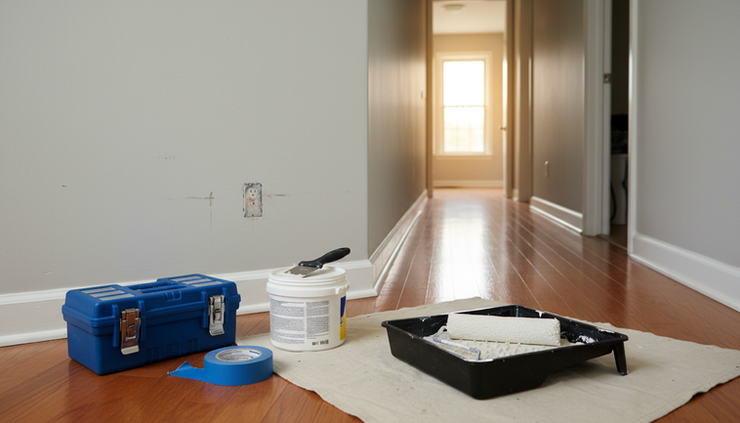
Getting ahead can protect your timeline
Timing matters when selling a house.
If an issue comes up before listing, the seller can handle it on a normal schedule. If it comes up after a buyer’s inspection, the timeline tightens. The seller may have only a few days to gather quotes, schedule repairs, respond to the buyer, or make a decision under pressure.
That pressure can cost money.
A rushed repair is not always the best repair. A rushed quote is not always the best price. A rushed decision can lead to frustration on both sides of the deal.
A pre-listing consult can help create a more realistic plan.
Some sellers may choose to repair only a few high-priority items. Others may decide to list as-is but with better awareness. Some may use the consult report as a punch list for weekend projects. Others may share selected information with their realtor to support pricing or negotiation strategy.
There is no one-size-fits-all answer. The point is that the seller gets to choose with more confidence.
What sellers can do before the consult
The onsite consult is simple, but a little preparation can make it more useful.
Before the visit, try to make key areas accessible. That does not mean the home needs to be perfect. It just means we can give better input if we can see the areas that matter.
Helpful steps include:
Clear access to the basement, attic hatch, utility room, electrical panel, and water heater
Move stored items away from walls where possible
Make note of any past leaks, repairs, or concerns
Gather information on recent updates, if available
Think through your main questions before the visit
If there is something specific you are worried about, bring it up. Maybe a realtor mentioned a repair. Maybe a family member told you the roof looks old. Maybe you are unsure whether a bathroom issue matters. Those are exactly the kinds of questions this consult is meant to help with.
What you leave with
After the visit, you are left with advice you can use as you see fit and a footprint of the home that may help during the sale.
The advice may include simple maintenance items, visible concerns to keep on your radar, or repair priorities that deserve attention before listing. Some items may be worth handling right away. Others may not be a big deal.
The footprint gives you a basic layout reference that can support the listing process and help communicate the home’s flow.
For many sellers, that combination is enough to lower stress. Instead of wondering what an inspector might find, you have already invited an experienced renovation eye to look for potential challenges.
That is a better place to start.

A small upfront consult can prevent bigger surprises
Selling a home is a major step. It is exciting, but it also brings a long list of decisions. The more you know before listing, the better you can handle those decisions.
A $200 onsite seller consult gives you a practical head start. You get an outside perspective backed by 20+ years of renovation experience, a chance to identify visible concerns before a buyer’s inspector does, and a home footprint that can be used during the selling process.
Nothing is worse than getting your home ready to list, only to have a major issue show up later and slow everything down.
Catch what you can early. Decide what matters. Move forward with more control.



Comments