JSM Drafting and Consulting Helping Contractors Build Right from Start to Finish

A good set of plans can keep a project moving. A bad one can create weeks of confusion, failed inspections, change orders, and costly rework.
That is why drafting should never be treated like paperwork only. On real jobsites, drawings meet framing, plumbing, electrical, concrete, mechanical systems, finish details, budgets, schedules, and human decisions. If the person preparing or reviewing the plan does not understand how the work gets built, small gaps can turn into big problems.
JSM Drafting & Consulting was built around that exact point. With residential and commercial general contracting experience, JSM brings more than lines on a page. The work comes from hands-on knowledge across the trades, jobsite problem solving, and a practical understanding of what contractors need from start to finish.
Whether the need is a full blueprint package, help reading and planning the work, a quick walkthrough inspection, or guidance on which trade partner to bring in, JSM focuses on one goal: helping projects get built right.
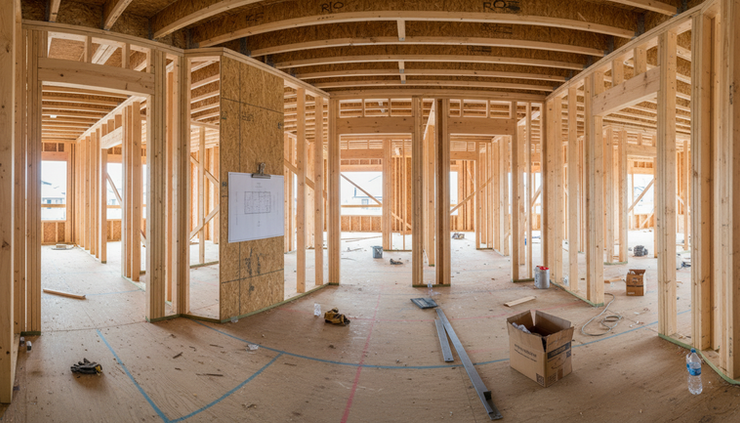
Drafting works better when it comes from building experience
Many drafting services can create clean drawings. Clean drawings matter, but they are only part of the job.
A contractor needs plans that make sense in the field. That means the drawings should reflect how materials come together, how trades overlap, where sequencing can cause issues, and what details may need more attention before work starts.
JSM’s background as a general contractor helps close that gap. Residential and commercial contracting both require a wide field of knowledge. A contractor may need to understand framing one day, site conditions the next, then coordinate electrical, plumbing, HVAC, finishes, inspections, and owner expectations.
That kind of experience changes the way drafting and consulting are handled.
Instead of only asking, “Does this look right on paper?” JSM can ask better questions:
Will this detail be clear to the person building it?
Is there enough information for the trades to price the work fairly?
Could this layout create a conflict later?
Does the plan match the real goal of the project?
What needs to be decided before the job reaches the site?
Those questions matter because construction rewards planning. When the how-to is unclear, the field fills in the blanks. Sometimes that works. Other times it leads to poor quality, wasted labor, callbacks, or disputes over what should have been done.
Knowing how to build is what makes instruction stronger. JSM does not treat drafting as a separate world from construction. The plan, the explanation, the walkthrough, and the finished work are all connected.
The difference between drawing a project and road mapping it
A blueprint shows what is supposed to be built. A roadmap helps explain how the project gets there.
That distinction is a major part of JSM’s value. Contractors, property owners, and newer builders often need more than a finished drawing. They need a clear path. They need someone who can look at the goal, break it into steps, and identify where extra care is needed.
A good roadmap may cover:
The order of major work phases
Trade coordination points
Areas where layout mistakes are common
Materials or details that need early decisions
Inspection concerns
Work that should be checked before it gets covered
Preferred companies or trades that may fit the project
This kind of planning helps prevent “surprises” that were visible from the start to someone with field experience.
For example, a wall layout may look simple on paper, but it can affect plumbing runs, electrical placement, cabinet installation, door swings, trim details, and mechanical access. A roof change can affect drainage, framing, insulation, ventilation, and exterior finish transitions. A small commercial buildout may require coordination between code requirements, existing conditions, trade scheduling, and finish expectations.
When planning starts early, the job has a better chance of staying clear and buildable.
That is where JSM Drafting and Consulting Helping Contractors Build Right from Start to Finish becomes more than a title. It describes the way JSM approaches the work. Drafting is one piece. Consulting, checking, guiding, and connecting the right people are part of the same process.
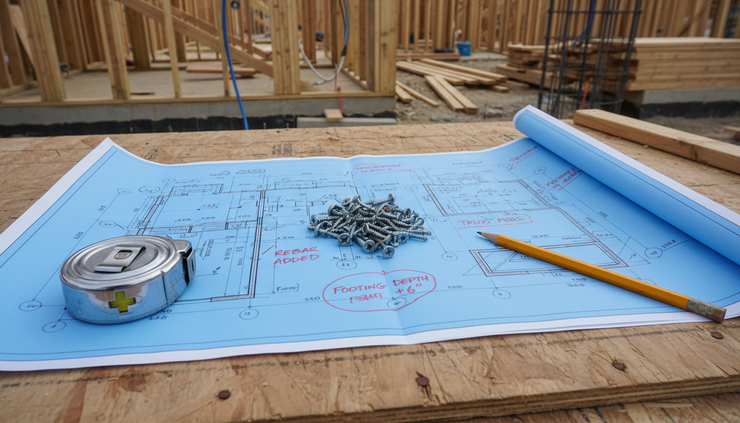
Consultations help answer the how before mistakes happen
There are moments in a project when a simple conversation can save a lot of trouble.
A contractor may be unsure how to approach a detail. A newer builder may need help understanding the next step. A property owner may want a second set of eyes before approving work. A crew may need clarification before continuing. In those moments, a consult can bring the project back into focus.
JSM consulting can help with practical questions such as:
How should this part of the project be approached?
What needs to happen before the next trade starts?
Is the current work lining up with the plan?
What should be watched before concrete is poured, drywall is hung, or finishes are installed?
Does this contractor’s work look clean and correct?
Is another trade needed before the project moves forward?
The value is not only in giving an opinion. The value is in explaining the reason behind the answer.
When someone says, “Do it this way,” the instruction is stronger when they can also explain why. That helps contractors learn. It helps property owners understand decisions. It helps crews avoid repeating the same mistake on the next phase.
JSM believes that when instruction is given, the person giving it should understand the work. That belief comes from trade experience, not theory. Working across different parts of construction builds judgment. It teaches what can go wrong when details are missed and what good work looks like before it gets covered up.
Walkthrough inspections keep quality from being buried
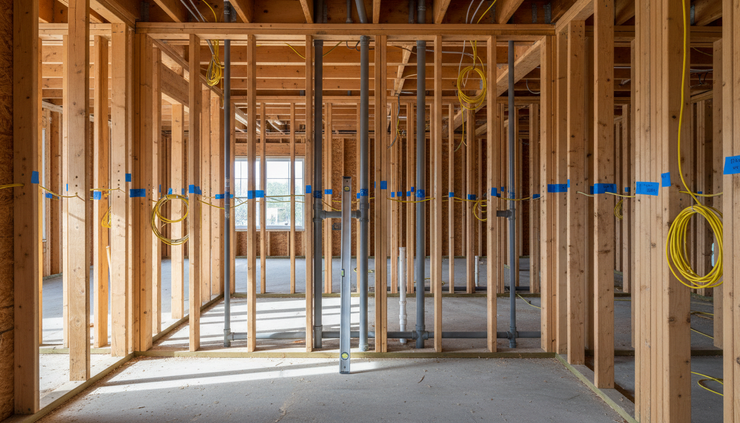
Some of the most important work on a project disappears behind walls, under floors, above ceilings, or below finished surfaces. Once it is covered, checking it becomes harder and fixing it costs more.
That is why walkthrough inspections during an active project can be so useful. They are not only for finding problems after the fact. They help catch issues while they are still easier to correct.
A quick walkthrough can focus on one phase or the whole job. It may include visual checks of framing quality, layout alignment, rough-in coordination, safety concerns, workmanship, material placement, and whether the work appears to follow the intent of the drawings.
These visits can help prevent situations like:
Framing that does not match the plan
Openings placed incorrectly
Mechanical runs conflicting with structure
Low-quality prep before finishes
Work covered before it is reviewed
Trades blaming each other after a problem appears
Costly rework caused by missed details
No walkthrough can replace required municipal inspections, engineering review, or code authority approval. Those roles matter. But a practical jobsite review can add another layer of protection, especially for owners or contractors who do not want to be blindsided by poor work.
Quality control works best before the mistake becomes permanent.
JSM’s construction background helps make these walkthroughs more useful. The process is not just about pointing at problems. It is about understanding what the work is supposed to become, what stage it is in, and what needs attention next.
New contractors need real guidance from people who know the trades
A new generation of contractors is entering the field. That is good for the industry, but it also brings a real need for guidance.
Construction is not learned from a screen alone. Online reviews, short videos, and quick advice can help, but they cannot replace jobsite judgment. New contractors need to learn how different trades fit together. They need to understand sequencing, quality standards, communication, bidding, plan reading, and when to ask for help.
JSM can serve as a practical support system for builders who are still gaining experience.
That may mean helping a contractor understand a drawing before the job starts. It may mean looking at a project and explaining the best order of work. It may mean recommending a company with proven field performance. It may mean checking work at key points so the contractor can keep learning while reducing risk.
This type of support matters because the early years of contracting can shape long-term habits. If a contractor learns to plan well, ask the right questions, and respect quality checks, that contractor is more likely to build lasting trust.
Bad habits can be expensive. Good habits can carry a business for years.
JSM’s approach is direct and practical. It is built for real conditions, not perfect ones. Jobs have weather delays, material changes, unclear details, crew shortages, owner changes, and budget pressure. A builder who knows how to respond is in a stronger position than one who only hopes the plan works out.
Preferred companies are vetted by real work
Choosing the right company for a job is difficult. Online ratings tell part of the story, but they do not always show how a company performs when the work gets complicated.
JSM looks at businesses through real-life factors. The question is not only whether a company has a good internet grade. The better question is whether the company’s work holds up in the field.
That means looking at things like:
Workmanship
Reliability
Trade knowledge
Communication on active projects
Clean handoffs between trades
Ability to solve problems without creating new ones
Consistency from one job to the next
A preferred company should have more than a polished image. It should have proof in the work itself.
This can be a major help for property owners, newer contractors, and builders taking on unfamiliar scopes. Finding the right trade partner can affect cost, schedule, quality, and stress. A strong referral, based on field results, can reduce guesswork.
JSM’s role is not to replace a contractor’s responsibility to review bids, licenses, insurance, contracts, and local requirements. Those checks still matter. But real-world guidance can help narrow the field and point the project toward companies that have already shown they can perform.
From full blueprints to quick check-ins
Not every project needs the same level of support. Some need detailed drawings from the ground up. Some need basic drafting help. Some need a field consult. Some need a second opinion at the right time.
JSM can help across a wide range of needs.
Full blueprint support
Plans that help define the project clearly before work begins.
Consulting and how-to guidance
Clear explanations for contractors, owners, and crews who need direction.
Project road mapping
A practical path from concept to completion, with attention to sequencing and trade overlap.
Drafting with field knowledge
Drawings shaped by an understanding of how the project will actually be built.
Walkthrough inspections
On-site or project check-ins that help catch quality issues before they grow.
Preferred company guidance
Suggestions based on real work quality, not just online ratings.
This flexibility is useful because construction problems rarely fit into one neat category. A drafting issue may become a field issue. A field issue may reveal a planning gap. A contractor issue may require a better trade partner. A quality issue may point back to unclear details in the plan.
JSM connects those pieces.
That full-picture view is what separates hands-on consulting from basic drafting. The goal is not just to produce documents. The goal is to help people build with more confidence, fewer blind spots, and better results.
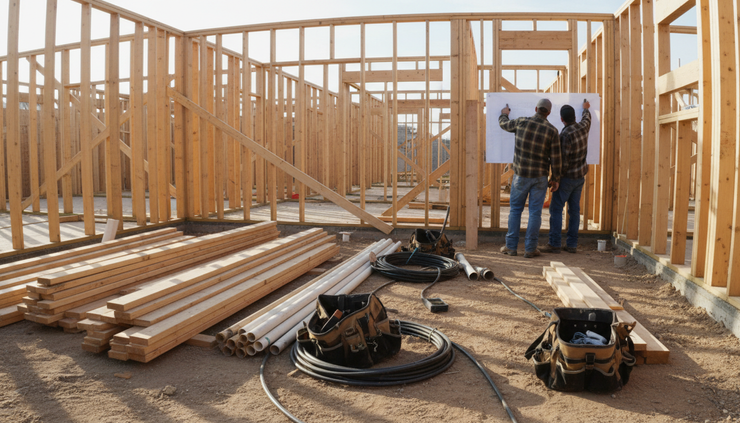
Building right takes planning, checking, and the right people
Every project has a finish line. The way to reach it is through clear plans, steady communication, quality checks, and people who understand the work.
JSM Drafting & Consulting brings those pieces together. The service is built on a simple idea: the best guidance comes from knowing how the work is done. That knowledge helps in drafting. It helps in consulting. It helps during walkthroughs. It helps when selecting companies to trust with important parts of the job.
For newer contractors, that guidance can build skill and confidence. For property owners, it can reduce the chance of being blindsided. For established builders, it can add another practical set of eyes to the project. For any job, it can help connect the plan on paper to the work in the field.
From top to bottom, from first drawing to final walkthrough, the right support can make the difference between guessing and building with purpose. JSM is here to help contractors and clients build right from start to finish.


Comments